- Vietnam
- Gulf Wars
- Cold War Era
- Military Installations
- PTSD/TBI
- Other



Legacy of Our Veterans' Military Exposures
Justice - social, environmental, human
Protecting our veterans' children™


Justice - social, environmental, human
Protecting our veterans' children™
Edgewood/Aberdeen Experiments
Chemicals tested
Chemicals tested
The agents tested included chemical warfare agents and other related agents (inactive substances or placebos such as saline were used):
Anticholinesterase nerve agents (ex., sarin and common organophosphorus (OP), and carbamate pesticides)
Mustard agents
Nerve agent antidotes atropine and scopolamine
Nerve agent reactivators (ex., the common OP antidote 2-PAM chloride)
Psychoactive agents (ex., LSD, PCP, cannaboids, and BZ)
Irritants and riot control agents
Alcohol and caffeine
LIBRARY

Perfluorinated Chemicals
Exposure to PFAS During Military Service
In the 1970s, the Department of Defense began using AFFF to fight fuel fires. The release of these chemicals into the environment during
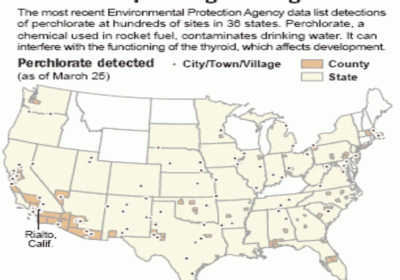
Perchlorate
Perchlorate is both a naturally occurring and man-made chemical that is used to produce rocket fuel, fireworks, flares and explosives. Perchlorate may have adverse health effects

Organophosphate Pesticdes
Pesticides used in the Gulf War
Pesticides used in the Gulf War fall into several major categories:
Methyl carbamate organochlorine pesticides (lindane), used to treat

Mercury Poisoning
Mercury poisoning (also known as hydrargyria or mercurialism) is a type of metal poisoning and a medical condition caused by exposure to mercury or its compounds. Mercury poisoning


What's in the News

Social Network Rules
wp-publications example
Veterans’ Descendants Health Questionnaire
Privacy Policy
Reports link Agent Orange exposure and birth defects
Theresa Ann Ragen
Agent Orange Vietnam Veterans’ Memorial – AOVVM
Toxic Military Exposures Our Health
Agent Orange Legacy – Chiari
IMPORTANT LINKS FOR CHILDREN OF VETERANS EXPOSED TO AGENT ORANGE
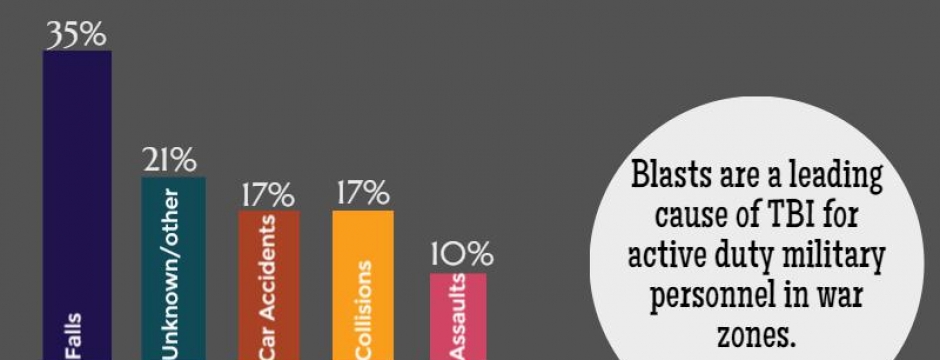
‘Shell Shock’—The 100-Year Mystery May Now Be Solved

NIH scientists uncover genetic explanation for frustrating syndrome
August and October are both Agent Orange Awareness Month

Toxic Military Exposures
VA Announces Future Site of the VA National Archives
Hypothyroidism, bladder cancer, and multiple myeloma linked to Agent Orange herbicide exposure: Study
Toxic exposures caused illness in Gulf War veterans, new report says | Science Codex

Pentagon puts budget concerns ahead of Fort McClellan troops’ welfare
VA Expands Review of Chemical Exposure in Drinking Water at Marine Corps Base Camp Lejeune
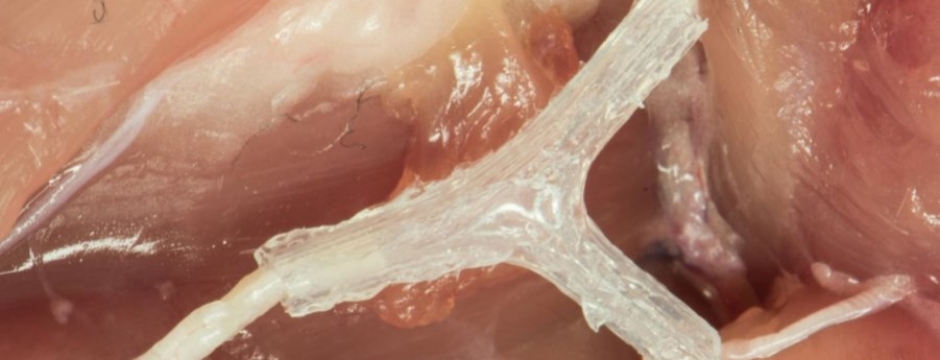
3-D printed guide helps regrow complex nerves after injury


