- Vietnam
- Gulf Wars
- Cold War Era
- Military Installations
- PTSD/TBI
- Other



Legacy of Our Veterans' Military Exposures
Justice - social, environmental, human
Protecting our veterans' children™


Justice - social, environmental, human
Protecting our veterans' children™
Thailand Military Bases
Possible exposure on or near the perimeters of military bases between February 28, 1961 and May 7, 1975U.S. Air Force Veterans served on Royal Thai Air Force (RTAF) Bases
U.S. Air Force Veterans who served on Royal Thai Air Force (RTAF) bases at U-Tapao, Ubon, Nakhon Phanom, Udorn, Takhli, Korat, and Don Muang, near the air base perimeter anytime between February 28, 1961 and May 7, 1975.U.S. Army Veterans provided perimeter security on RTAF bases in Thailand
U.S. Army Veterans who provided perimeter security on RTAF bases in Thailand anytime between February 28, 1961 and May 7, 1975.U.S. Army Veterans stationed on some Army Installations in Thailand
U.S. Army Veterans who were stationed on some small Army installations in Thailand anytime between February 28, 1961 and May 7, 1975. However, the Army Veteran must have been a member of a military police (MP) unit or was assigned an MP military occupational specialty whose duty placed him/her at or near the base perimeter.
Source: Department of Veterans Affairs
LIBRARY

Glycol Ethers
Acute (short-term) exposure to high levels of the glycol ethers in humans results in narcosis, pulmonary edema, and severe liver and kidney damage. Chronic (long-term) exposure to

Lead
When lead is inhaled or swallowed, it can affect almost every organ and system in the body, including the nervous system.

Dioxin
Dioxins have no common uses. They are manufactured on a small scale for chemical and toxicological research, but mostly exist as by-products of industrial processes such as

BPA
Why is EPA concerned? Because BPA is a reproductive, developmental, and systemic toxicant in animal studies and is weakly estrogenic, there are questions about its potential impact
What's in the News

Social Network Rules
wp-publications example
Veterans’ Descendants Health Questionnaire
Privacy Policy
Reports link Agent Orange exposure and birth defects
Theresa Ann Ragen
Agent Orange Vietnam Veterans’ Memorial – AOVVM
Toxic Military Exposures Our Health
Agent Orange Legacy – Chiari
IMPORTANT LINKS FOR CHILDREN OF VETERANS EXPOSED TO AGENT ORANGE
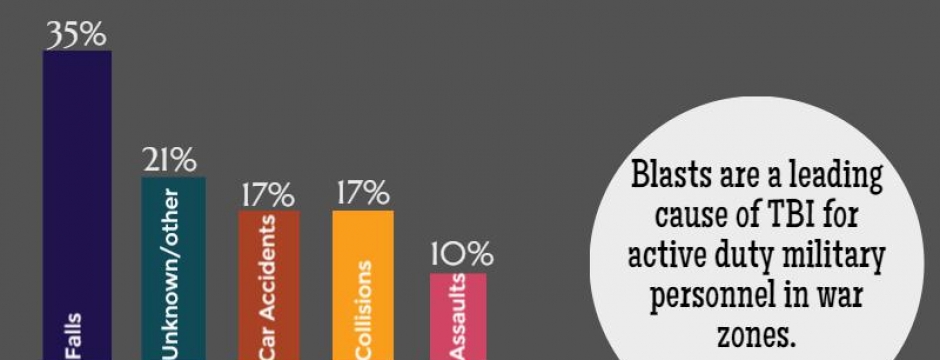
‘Shell Shock’—The 100-Year Mystery May Now Be Solved

NIH scientists uncover genetic explanation for frustrating syndrome
August and October are both Agent Orange Awareness Month

Toxic Military Exposures
VA Announces Future Site of the VA National Archives

Hypothyroidism, bladder cancer, and multiple myeloma linked to Agent Orange herbicide exposure: Study
Toxic exposures caused illness in Gulf War veterans, new report says | Science Codex

Pentagon puts budget concerns ahead of Fort McClellan troops’ welfare

VA Expands Review of Chemical Exposure in Drinking Water at Marine Corps Base Camp Lejeune
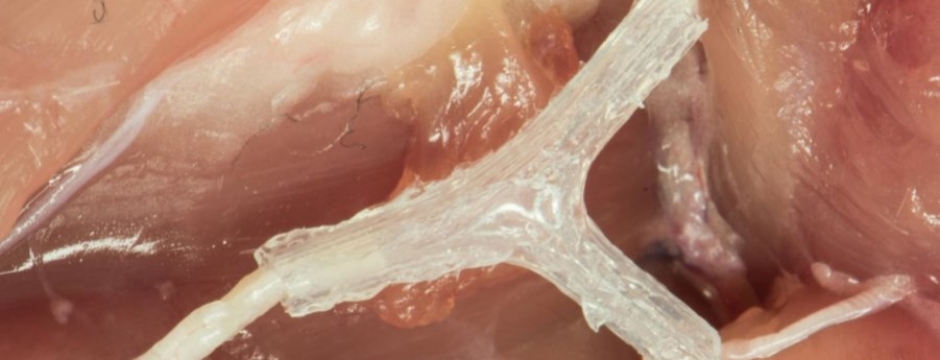
3-D printed guide helps regrow complex nerves after injury


